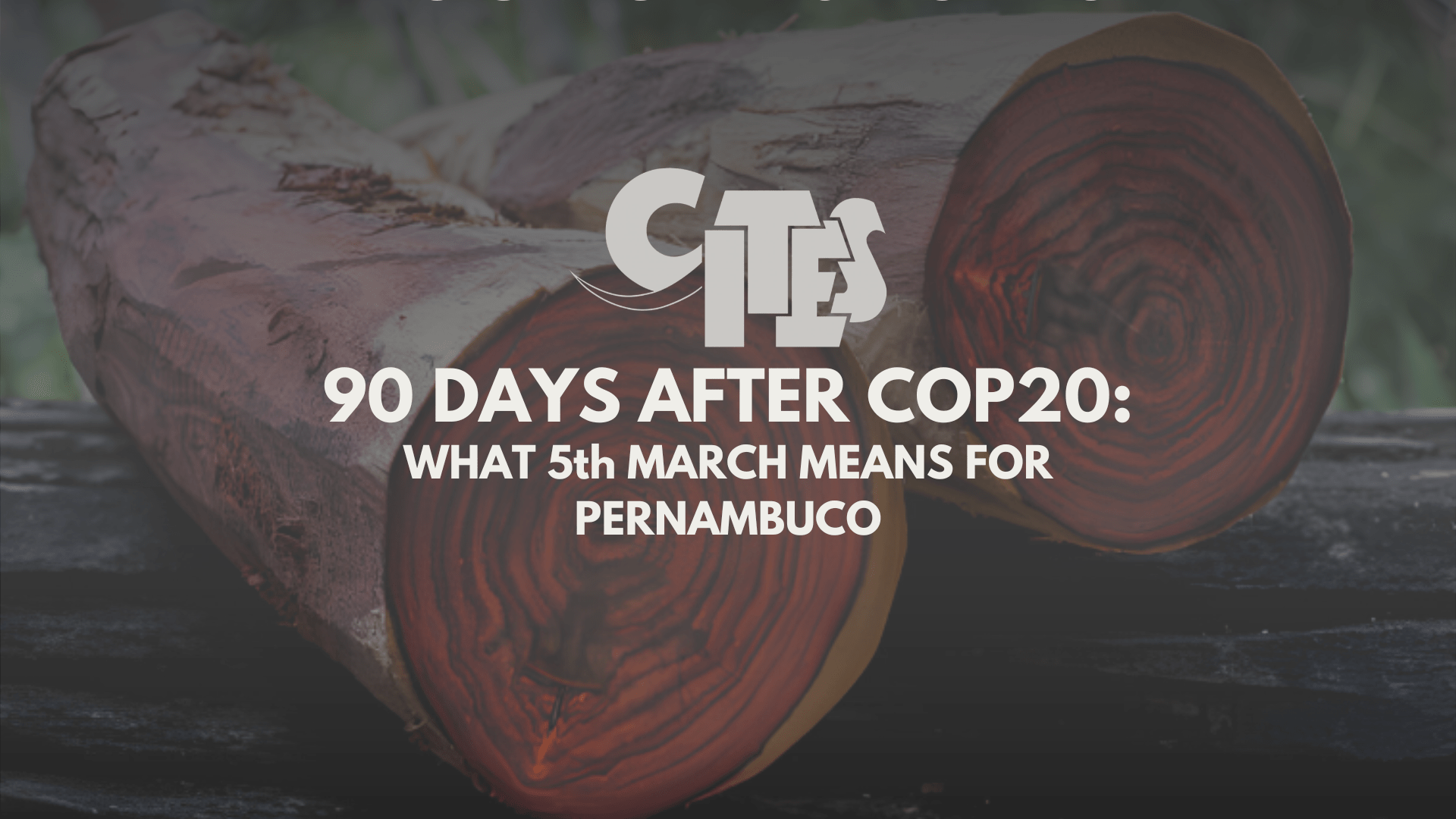

Thursday this week is the 5th March, and that marks 90 days after the close of COP20. If you buy, sell, or manufacture musical instruments that include materials that derive from Pernambuco, then the 5th March date may mark when updated environmental requirements begin to apply to new transactions or permits. Today’s article is a quick one which covers what that really means for you, hopefully in quite simple, practical terms.
Why this matters to instrument makers and traders
COP20 was one of the global climate meetings held under the United Nations Framework Convention on Climate Change.When these meetings close, governments often take a few months to adjust their own environmental rules to match new climate commitments.
The “90 days” is usually just a transition period. After that point, updated domestic rules can start to apply. For Pernambuco, that can affect how natural materials are approved, documented and certified.
What this could mean for your business
If you buy, sell, or use materials from Pernambuco, especially:
• Tonewoods
• Hardwoods for fingerboards or bodies
• Brazilian timber species
• Charcoal or wood-based components
• Natural resins
then the 5th March date may mark when updated environmental requirements begin to apply to new transactions or permits.
In practical terms, you can probably expect 3 things…
Thing 1. More paperwork around origin and sustainability
You may see stronger requirements for:
• Proof of legal harvest
• Traceability documents
• Environmental licences
• Chain-of-custody documentation
If you’re importing wood, distributors may now ask you for additional supporting documents, or maybe provide updated ones themselves.
Thing 2. Tighter review of export documentation
If you are sourcing directly from Pernambuco suppliers, they may need:
• Updated environmental permits
• Revised certifications
• Confirmation that harvest and transport comply with current climate-linked standards
That can slow shipments if paperwork is incomplete.
Thing 3. Greater scrutiny from buyers and regulators
Large brands and international buyers are increasingly cautious about:
• Deforestation risk
• Carbon impact
• Reputational exposure
Even if the legal change is small, the compliance expectations may increase.
A quick note on what it does NOT mean:
This does not mean:
• Wood exports suddenly stop.
• Existing legally issued permits are automatically cancelled.
• The instrument trade is banned.
It simply means new applications and new shipments may be assessed under updated environmental criteria.
The bottom line for the musical instrument industry is…
This 90-day marker is basically a regulatory housekeeping date.After tomorrow, you might see more different documentation, more questions and slightly more cautious processing.
If your supply chain is clean and documented, you should be fine. If it’s informal or lightly documented, now might be the time for you to tighten it up.